
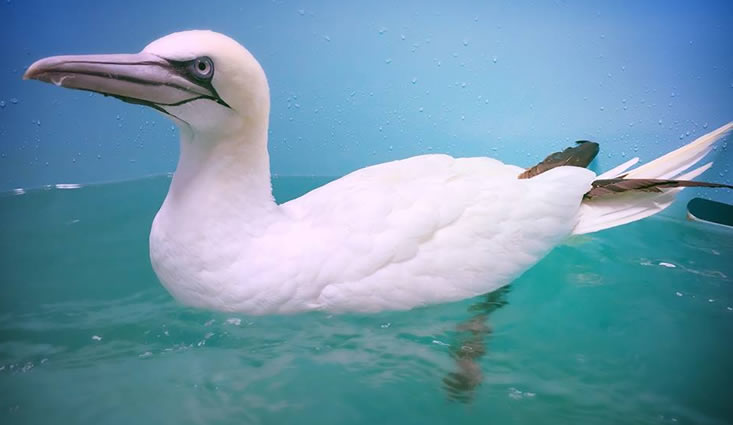
Wildlife Assistance
WILD CARE’s Critical Care Program provides medical treatment to adult animals which have been injured in the wild and found by the public. Patients are treated by our licensed rehab staff who work tirelessly to care for these animals. Volunteers and interns assist in the clinic with food preparation, cleaning of habitats and assisting staff as needed when feeding, exercising and medicating patients.
The Wildlife Nursery Program runs from March to Mid-September and hosts hundreds of orphaned and injured infant songbirds, tiny mammals and fledgling raptors. Infant mammals are often taken home by staff and volunteers when they are too young to go overnight without nutrition. Over 30 baby bird volunteers come in to WILD CARE to help raise our infant songbirds, from 6AM to 6PM every day until they are old enough for release.
Our Live Wildlife Helpline is a tremendous resource for callers from all over Southeastern Massachusetts. Staff rehabilitators coach desperate patrons through the rescue process, and direct frustrated animal lovers just trying to find help. WILD CARE maintains a staffed helpline 9 to 14 hours per day depending on the season. Our accelerated response time contributes to a higher chance of survival for wildlife in need of immediate rescue. Informational calls represent many more thousands of animals who are spared from injury and misunderstanding because of our counseling.
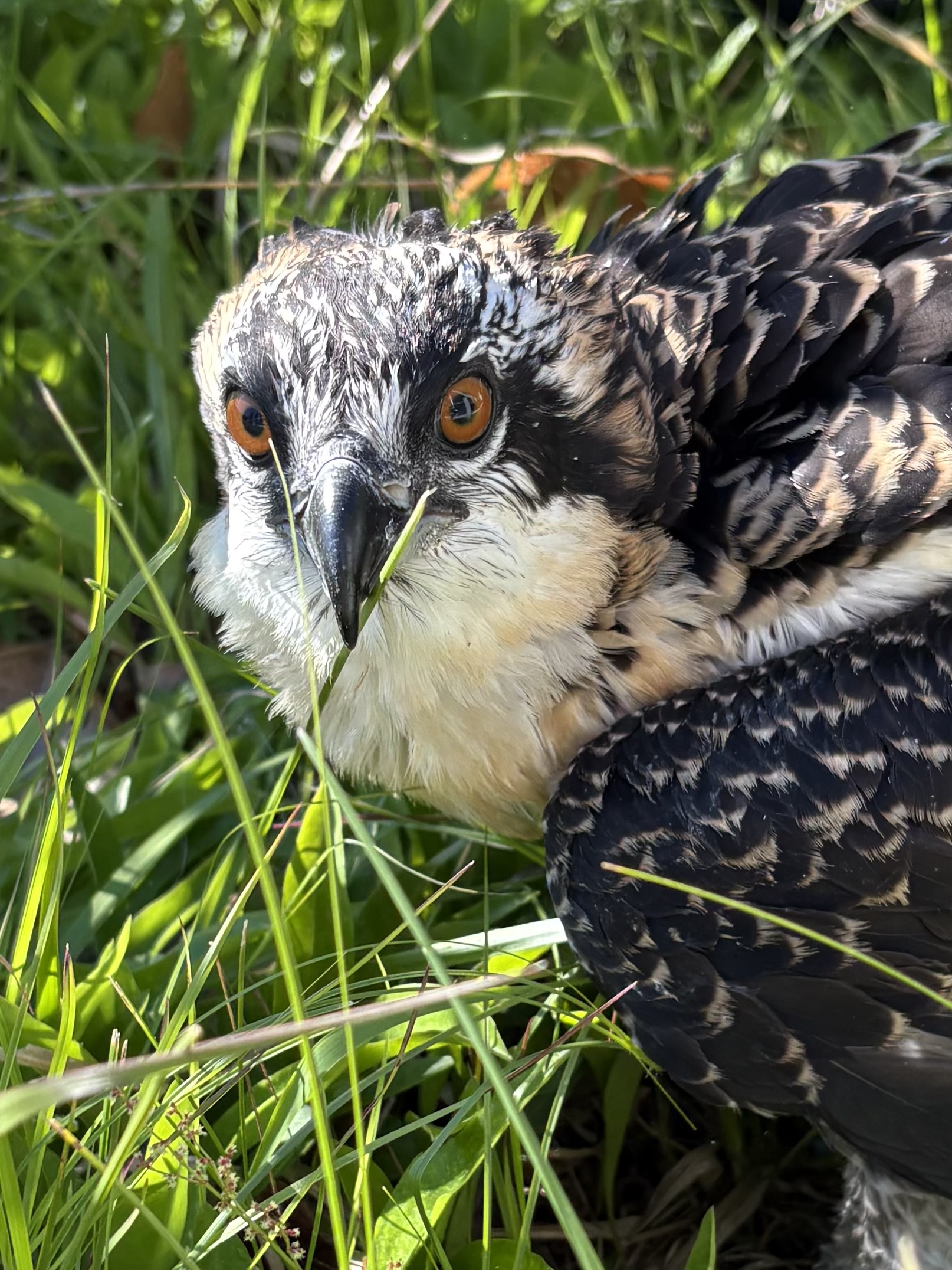
Watch Oscar the Osprey Chick on Live Cam!
Oscar the Osprey Chick Eating and Leaving the Nest After Some Worry. Watch the Nest on a Live Cam in the Waquoit Bay National Estuarine Research Reserve
READ ALL NEWS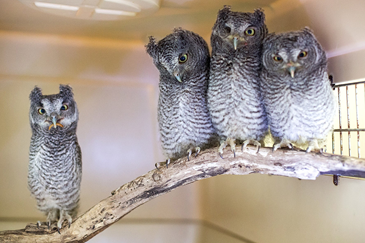
CALENDAR OF EVENTS
30 September, 2026
Watch Oscar the Osprey Chick on Live Cam!
EVENT DETAILS
30 September, 2026
Celebrate International Owl Day at Cape Cinema With Wild Care!
EVENT DETAILS
30 September, 2026
Discover the Wildlife and Wonder of Costa Rica MAY 2027
EVENT DETAILS
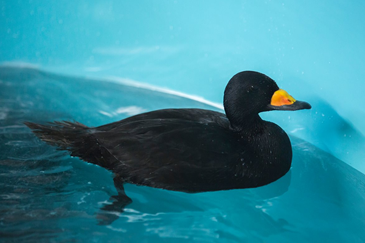
DID YOU KNOW??
Wild Care has a state-of-the-art seabird therapy pool, which allows seabirds and waterfowl to exercise on running water. This will help our bird friends recover more quickly so they can get back to their watery habitats!